
Karni Mata Temple Bikaner: History, Timings and Travel Guide
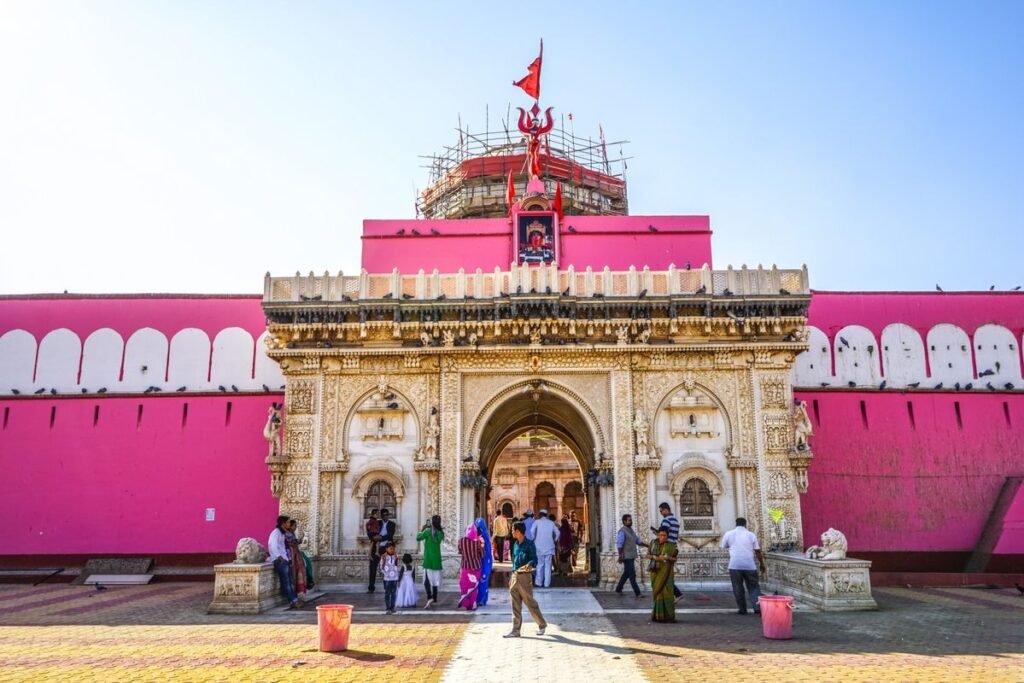
Rajasthan is known for its magnificent forts, colorful markets, grand palaces, and centuries-old temples. Among its many fascinating religious landmarks, Karni Mata Temple Bikaner holds a particularly unusual place. Located in Deshnok, around 30 kilometers from Bikaner, this famous temple is dedicated to Karni Mata, a revered saint who is believed to have lived during the 14th and 15th centuries. For travelers planning a Rajasthan journey that includes multiple cities, arranging reliable transportation, such as Udaipur Taxi Service, can make intercity travel more convenient. The temple is also widely known for the thousands of rats that live freely inside its premises and are traditionally regarded as sacred.
For travelers exploring Bikaner and the surrounding region, a visit to the temple offers an opportunity to experience an important part of Rajasthan’s religious traditions and local culture. The temple’s architecture, legends, rituals, and distinctive atmosphere make it different from many other temples in the state. Whether you are interested in history, spirituality, architecture, or unusual cultural experiences, the temple can be an interesting addition to a Rajasthan itinerary.
Where Is Karni Mata Temple Located?
Karni Mata Temple is situated in Deshnok, a town in the Bikaner district of Rajasthan. Deshnok lies approximately 30 kilometers south of Bikaner and can generally be reached by road or rail.
The temple is located close to the main town area, making it relatively accessible for visitors traveling from Bikaner. Many travelers visit the temple as a half-day excursion while exploring Bikaner.
The surrounding landscape reflects the character of the Thar Desert region, with dry terrain, traditional settlements, and the distinctive architecture associated with Rajasthan. The journey from Bikaner to Deshnok also provides a glimpse of rural Rajasthan beyond the city’s major tourist attractions.
Karni Mata Temple Bikaner History
The karni mata temple bikaner history is closely connected with the life and legends surrounding Karni Mata. She is traditionally remembered as a spiritual figure and saint associated with the Charan community. Numerous stories about her life describe her spiritual powers, compassion, and influence among local communities.
According to popular tradition, Karni Mata lived several centuries ago and became deeply respected by the people of the region. The temple at Deshnok developed as an important place of worship associated with her.
The present temple complex has been developed and maintained over generations. Its appearance reflects the artistic traditions of Rajasthan, while its religious importance comes from the legends associated with Karni Mata.
One of the most famous stories connected with the temple concerns the rats, locally known as kaba. According to religious tradition, these rats are considered reincarnated followers or members of Karni Mata’s community. Because of this belief, the animals are protected and treated with respect inside the temple.
The history of the temple therefore combines religious tradition, local folklore, community beliefs, and Rajasthan’s architectural heritage.
Architecture of the Temple
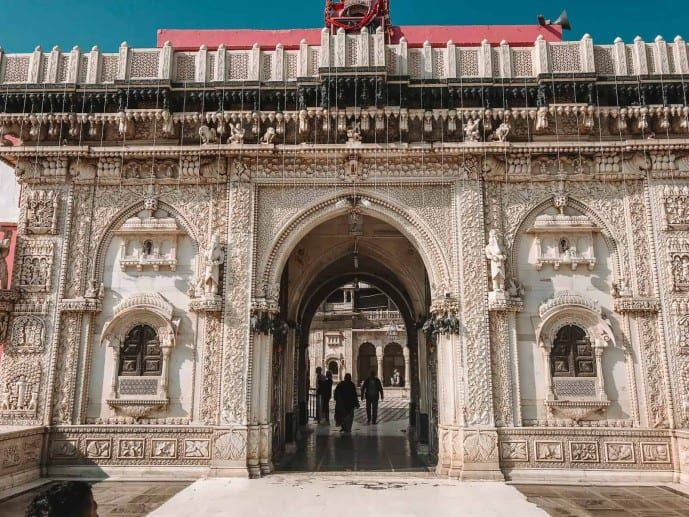
The architecture of the temple is another reason visitors are drawn to the site. The structure features elements commonly associated with traditional Rajasthani temple design.
The entrance is particularly impressive, with intricately designed silver doors that add to the visual appeal of the complex. Decorative details can also be seen throughout the temple, reflecting the craftsmanship that developed in the region over generations.
Inside the temple, visitors encounter a combination of religious artwork, carved surfaces, shrines, and decorative elements. The atmosphere is very different from that of an ordinary tourist attraction because the building remains an active place of worship.
Visitors should remember that the temple is primarily a religious site. Appropriate clothing, respectful behavior, and awareness of local customs can make the experience more comfortable for everyone.
Karni Mata Temple Deshnok and Its Famous Rats
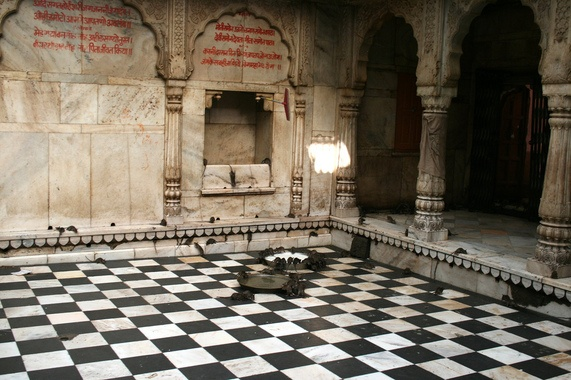
The connection between the temple and its rats is perhaps its most recognizable feature. karni mata temple deshnok is often described as one of the world’s most unusual religious sites because rats move freely throughout the complex.
These rats are traditionally protected by devotees. Food and milk are offered to them, and seeing one of the white rats is considered especially auspicious according to local belief.
The animals are generally allowed to move around the temple without being disturbed. Visitors may see them near the walls, around the courtyards, beneath decorative structures, or close to areas where devotees offer food.
For people unfamiliar with the tradition, this can initially seem surprising. However, understanding the religious significance behind the practice helps explain why the rats are treated differently from ordinary rodents.
The tradition is an important example of how religious beliefs and local cultural practices can shape the identity of a historic place.
Why Are the Rats Considered Sacred?
The belief surrounding the rats is connected to one of the major legends associated with Karni Mata.
According to traditional stories, Karni Mata requested that members of her community who died should be allowed to return in another form rather than being permanently separated from their families and community. The legend states that they would be reincarnated as rats.
Because of this belief, the rats living in the temple are treated as sacred creatures.
The story is part of local religious tradition rather than something that can be historically verified as a factual event. Nevertheless, it remains central to the cultural identity of the temple and continues to be passed from one generation to another.
Visitors can learn about the tradition while observing the rituals and customs practiced by devotees.
Karni Mata Temple Bikaner Timings
Before planning a visit, travelers should check the current opening hours and local arrangements, as temple schedules can change because of festivals, religious occasions, maintenance, or special events.
The karni mata temple bikaner timings are generally structured around morning and evening worship periods. Visitors often prefer to arrive during the morning or later in the afternoon when they can experience the temple atmosphere along with regular devotional activities.
Because this is an active temple rather than simply a historical monument, visitors should allow sufficient time for entry, worship, observation, and photography where permitted.
It is also a good idea to avoid rushing through the visit. The temple’s unique traditions and architectural details are easier to appreciate when you have time to observe the surroundings respectfully.
Best Time to Visit Karni Mata Temple
Rajasthan can experience significant temperature differences throughout the year. Summers in the Bikaner region can be extremely hot, while winter generally provides more comfortable conditions for sightseeing.
The period from October to March is often considered more comfortable for exploring Bikaner and nearby attractions. During these months, visitors can combine a temple visit with other sightseeing activities without dealing with the intense heat of peak summer.
Winter mornings can be relatively cool, so carrying a light layer may be useful.
Travelers visiting during major religious festivals should also be prepared for larger crowds. Festival periods can provide a deeper cultural experience, but they may also mean longer waiting times and busier surroundings.
How to Reach Karni Mata Temple
If you are staying in Bikaner, reaching the temple is relatively straightforward.
By Road
Road travel is one of the most convenient options. Deshnok is located around 30 kilometers from Bikaner, and travelers can use taxis, private vehicles, or local transportation.
If you are traveling as a family or group, hiring a cab can provide flexibility because you can combine the temple visit with other attractions in and around Bikaner.
By Train
Deshnok has a railway station, and rail connections can be useful for travelers coming from certain parts of Rajasthan. Train schedules should be checked before departure because availability and frequency can vary.
By Air
The nearest major airport is Bikaner Airport, although flight availability may be limited depending on the season and current routes. Travelers can also consider airports serving other major Rajasthan cities and continue their journey by road or train.
When considering how to reach karni mata temple, your choice of transport will depend on your starting point, budget, group size, and sightseeing plans.
Things to See Inside the Temple
A visit to the temple is not only about seeing the famous rats. Several elements of the complex deserve attention.
Silver Entrance Doors
The decorated silver doors at the entrance are among the temple’s notable visual features. They showcase detailed craftsmanship and contribute to the distinctive appearance of the temple.
Main Shrine
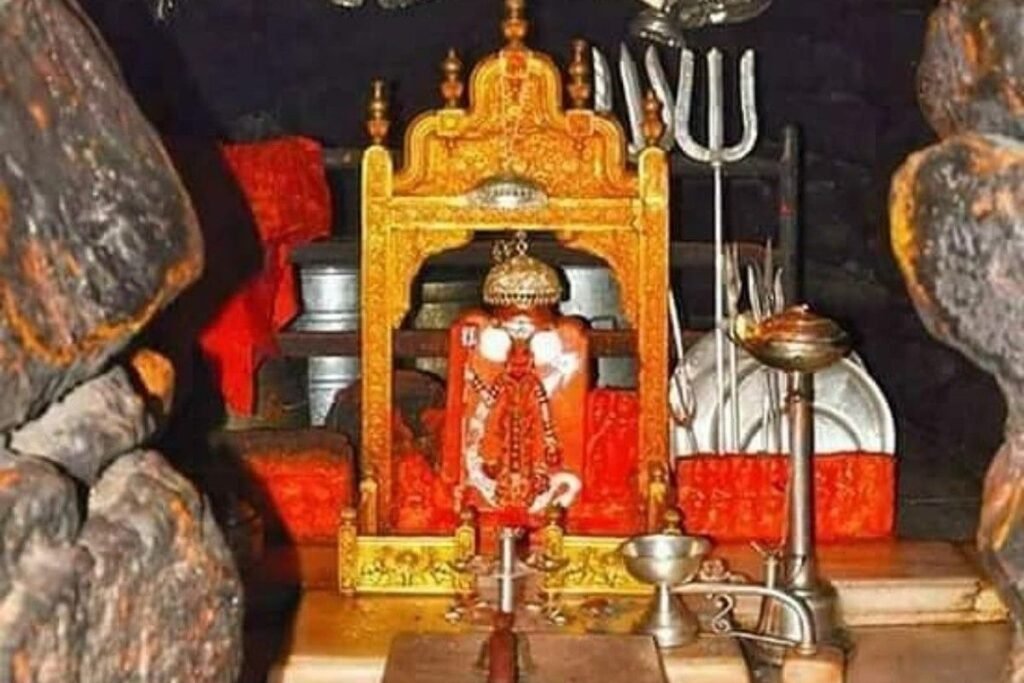
The central shrine is the spiritual focus of the complex. Devotees visit to offer prayers and seek blessings associated with Karni Mata.
Sacred Rats
The rats are naturally one of the most memorable parts of the visit. Their presence is closely connected with the temple’s religious identity.
Courtyards and Decorative Details
Take some time to observe the architectural details, carved elements, and overall design of the temple complex. The combination of religious activity and traditional architecture creates a distinctive environment.
Temple Etiquette for Visitors
Since this is a functioning religious site, visitors should follow basic temple etiquette.
Dress modestly and respectfully. Avoid loud conversations or behavior that may disturb worshippers. Follow instructions from temple staff and devotees, particularly in areas where photography may be restricted.
Visitors should also avoid deliberately disturbing or frightening the rats. They are considered sacred within the temple’s religious tradition.
Footwear rules may apply inside the complex, so be prepared to remove shoes where required.
Keeping the surroundings clean is equally important. Avoid leaving plastic, food packaging, or other waste inside or around the temple.
Respectful behavior is the simplest way to ensure that your visit remains comfortable while also honoring the importance of the site to local devotees.
Nearby Places to Visit in Bikaner
A trip to the temple can easily be combined with other attractions in Bikaner.
Junagarh Fort
Junagarh Fort is one of Bikaner’s most important historical landmarks. Its grand courtyards, palaces, balconies, and decorative interiors demonstrate the architectural richness of the region.
Lalgarh Palace
Lalgarh Palace reflects the royal history of Bikaner and features a distinctive blend of architectural influences.
Rampuria Havelis
The historic Rampuria Havelis are known for their elaborate façades and traditional design. They provide an excellent glimpse into Bikaner’s merchant heritage.
Bikaner Old City
Exploring the old city allows travelers to experience local markets, traditional food, handicrafts, and historic neighborhoods.
National Research Centre on Camel
For travelers interested in Rajasthan’s famous desert animal, the camel research center offers an opportunity to learn about camel breeding, research, and regional traditions.
Combining these attractions with a visit to the temple can turn the journey into a broader Bikaner cultural experience.
What Makes Rat Temple Bikaner Unique?
The phrase rat temple bikaner is frequently associated with this destination because of its unusual religious tradition.
While many temples around the world are known for architecture, mythology, or pilgrimage importance, this temple has developed a distinctive identity because of the protected rats that live within its premises.
The tradition demonstrates how religious beliefs can influence the way communities interact with animals and sacred spaces. For visitors, the experience can be very different from conventional sightseeing.
It is important to approach the temple with cultural sensitivity. Visitors may have different personal reactions to the animals, but understanding their significance within the local tradition can make the experience more meaningful.
Tips for a Comfortable Visit
A few simple preparations can make your visit easier.
Plan your transportation: If you are staying in Bikaner, decide whether a taxi, private vehicle, or train is most convenient.
Check temple timings: Confirm the current schedule before leaving, especially if you are visiting during a festival or holiday.
Wear suitable clothing: Comfortable and modest clothing is appropriate for a religious site.
Carry water: Rajasthan’s climate can be dry, particularly outside the winter months.
Respect photography rules: Follow instructions about where photography is allowed.
Avoid disturbing the animals: The rats are considered sacred, so visitors should observe them without attempting to frighten or handle them unnecessarily.
Allow enough time: Even though the temple can be visited relatively quickly, giving yourself time to appreciate the architecture and cultural traditions makes the experience more rewarding.
Best Way to Include the Temple in a Rajasthan Trip
For travelers creating a Rajasthan itinerary, the temple can be included during a Bikaner sightseeing day. A typical itinerary might begin with attractions in Bikaner city before traveling toward Deshnok.
Visitors staying overnight in Bikaner can schedule the temple in the morning and spend the remainder of the day exploring the city’s forts, havelis, markets, and museums.
Those traveling between major Rajasthan destinations can also consider making Deshnok a stop along their route if their schedule allows.
Because travel preferences differ, there is no single perfect itinerary. The important thing is to consider travel time, weather, temple hours, and the other attractions you want to experience.
Final Thoughts
Karni Mata Temple offers a fascinating combination of religion, folklore, architecture, and local tradition. Located in Deshnok near Bikaner, the temple provides travelers with an opportunity to see a cultural practice that is quite different from the experiences offered by conventional tourist attractions.
From the decorated entrance and historic religious traditions to the famous sacred rats, every part of the temple contributes to its distinctive identity. Learning about the karni mata temple bikaner history, understanding the beliefs surrounding the animals, and following appropriate temple etiquette can make the visit more meaningful.
For anyone exploring Bikaner and looking beyond the city’s famous forts and havelis, a trip to Deshnok can add a unique cultural dimension to a Rajasthan journey. With sensible planning, comfortable transportation, and respect for local customs, the temple can become one of the memorable stops on a Rajasthan travel itinerary.
